

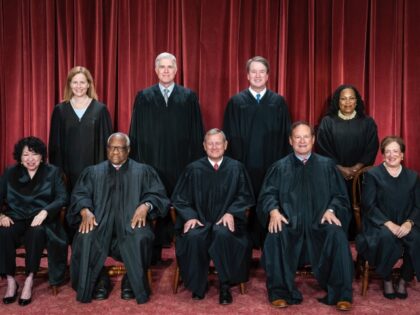
The Supreme Court’s 5-4 decision to green-light the counting of mail-in ballots that arrive after Election Day is less about “access” and more about who gets to decide when an election actually ends. By treating state deadlines as optional rather than mandatory, the Court has effectively handed state election officials a rolling window that can stretch days or even weeks past November, creating a moving target for certification and inviting the very kind of selective ballot harvesting that has already been documented in swing-state urban centers. For the Second Amendment community this is not an abstract procedural tweak; it is a structural shift that rewards the political coalition most hostile to shall-issue carry, constitutional carry, and the protection of the individual right to keep and bear arms.
The practical effect is straightforward: campaigns and activist groups aligned with gun-control priorities now have an extended period to “find” additional ballots in precincts where they already enjoy administrative dominance, while pro-2A voters who showed up on Election Day watch their margins erode in real time. This dynamic tilts every future close race—especially those that determine committee chairmanships, state attorneys general, and the federal judiciary—toward the side that benefits from prolonged counting rather than from persuading citizens on Election Day itself. When the same political apparatus that pushes magazine bans and red-flag laws also controls the extended mail-ballot pipeline, the risk to the right to keep and bear arms is no longer theoretical; it becomes a matter of arithmetic.
Longer term, the ruling accelerates the migration of electoral power away from the physical polling place and toward administrative discretion, a trend that historically correlates with higher support for gun-control measures. States that still prize election integrity now face a stark choice: either tighten every other safeguard—voter ID, chain-of-custody rules, signature verification—or accept that their legislative and judicial outcomes will be shaped by ballots whose arrival date is treated as a suggestion rather than a deadline. For those who view the Second Amendment as the ultimate check on government overreach, the message is clear: the fight to preserve constitutional carry and due-process protections for gun owners will increasingly be decided not at the range or in the legislature, but in the weeks-long counting rooms that the Court has now declared constitutional.


