

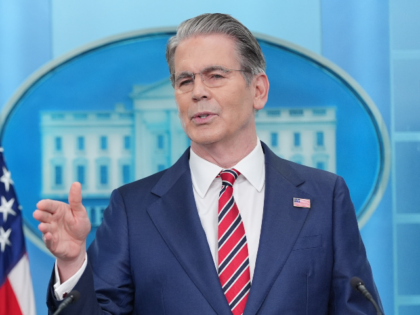
In a pointed address at the No Money for Terror Conference in Paris, Treasury Secretary Scott Bessent laid out the Trump administration’s aggressive blueprint for choking off the financial pipelines that keep terrorist networks breathing. Far from the usual diplomatic word salad, Bessent’s remarks signaled a return to a “follow the money” doctrine that treats terror financing as both a national security emergency and an economic warfare priority. By publicly detailing ongoing efforts to dismantle hawala networks, cryptocurrency laundering channels, and state sponsors’ shadow banking systems, the administration is sending a clear message: if your dollars, digital assets, or trade deals end up buying bullets for jihadists, the United States intends to make that transaction expensive, traceable, and ultimately impossible.
For the Second Amendment community, this renewed focus carries more weight than it might first appear. Terror financing has long been a backdoor justification for expansive financial surveillance that inevitably sweeps up law-abiding American gun owners. Past administrations used anti-money laundering rules and “material support” statutes to pressure banks into de-banking firearms manufacturers, shooting ranges, and even individual buyers flagged by vague risk algorithms. When Treasury gets serious about real terror financiers, it reduces the bureaucratic temptation to treat every gun purchase as a potential national security event. A Treasury that is effective at mapping actual terror cash flows has less political cover to justify overreach against domestic gun commerce under the guise of “following the money.”
Bessent’s Paris appearance also underscores a philosophical shift: America is once again comfortable naming enemies and targeting their wallets instead of endlessly expanding the domestic regulatory net. For gun owners who understand that the right to bear arms exists partly as a bulwark against threats both foreign and domestic, this is encouraging. Effective disruption of terror financing protects the homeland without turning every FFL into an unpaid intelligence agent or every ammunition purchase into a suspicious activity report. The more success the Trump Treasury finds in Paris and beyond, the less excuse future regulators will have to treat the Second Amendment community as a perpetual terror-adjacent risk class.


