

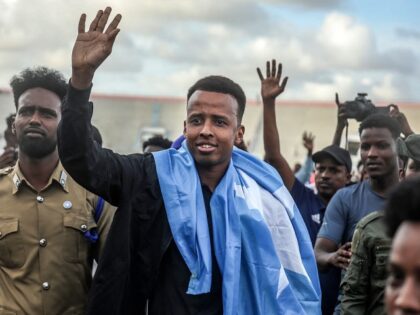
In a stark reminder of how porous borders and lax vetting continue to haunt major international events, U.S. immigration authorities recently turned away a credentialed FIFA referee from Somalia just days before the World Cup spotlight intensifies. The decision wasn’t arbitrary; it stemmed from documented terror links that made even a sports official too risky to admit, underscoring the uncomfortable reality that radicalization pipelines from failed states like Somalia and Iran don’t magically vanish when someone dons a referee’s whistle. For the 2A community, this episode isn’t merely a travel headache—it’s a live demonstration of why the right to keep and bear arms remains essential when governments prove chronically unable or unwilling to secure the homeland against imported threats.
The broader implications stretch far beyond soccer logistics. With Iranian and Somali nationals already under heightened scrutiny due to state-sponsored terrorism designations and active al-Shabaab recruitment networks, the referee incident reveals how even “credentialed” individuals can serve as vectors for infiltration when screening relies on paperwork rather than ironclad identity verification. Law-abiding Americans watching these stories unfold rightly ask why their own constitutional protections must be treated as negotiable while foreign nationals with questionable ties receive the benefit of the doubt until proven dangerous. This pattern reinforces the core 2A argument that self-reliance, not bureaucratic assurances, is the ultimate backstop when global events collide with domestic security gaps.
Ultimately, the World Cup travel complications serve as another data point in the ongoing debate over immigration enforcement and national sovereignty. As millions prepare to converge on host cities, the referee rejection highlights how quickly abstract policy failures translate into concrete risks on American soil, fueling renewed calls among gun owners for robust carry rights, constitutional carry expansions, and an unapologetic defense of the individual’s ability to protect themselves when official systems falter.


