

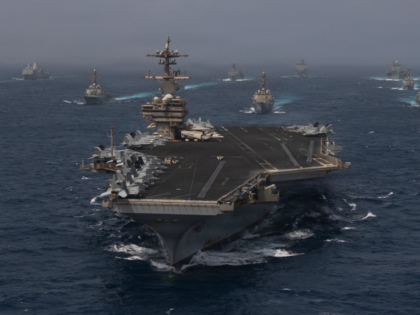
The joint U.S.-Saudi airstrikes against Iranian-backed militias in Iraq mark a rare moment of overt Gulf cooperation against Tehran’s shadow armies, and the ripple effects reach straight into the gun safe. When the world’s largest oil exporter openly flies alongside American jets to hit proxy forces that have spent years harassing U.S. troops and choking maritime trade, it signals that the old “leading from behind” posture is giving way to a more muscular forward presence. That shift matters to Second Amendment advocates because every additional carrier group or forward-operating base in the region translates into sustained demand for precision-guided munitions, small-arms platforms, and the domestic industrial base that builds them—capacity that historically has kept civilian-legal AR platforms, optics, and ammunition lines humming at scale.
More importantly, the strikes underscore how fragile the post-2021 Iran nuclear-deal revival narrative really is. With Riyadh now willing to put skin in the game, the Biden administration’s earlier attempts to downplay Iranian aggression look increasingly untenable, and that political recalibration tends to favor policies friendly to domestic defense production. Lawmakers who see Gulf partners footing part of the bill are less likely to green-light the kind of export-control or manufacturing restrictions that have periodically threatened to throttle civilian access to modern sporting rifles and optics. In short, when Sunni Arab states start shouldering some of the hard-power load against Shia militias, the U.S. defense posture tilts toward strength rather than retrenchment—and strength at the federal level has a long track record of protecting the industrial ecosystem that keeps the 2A supply chain robust.


