

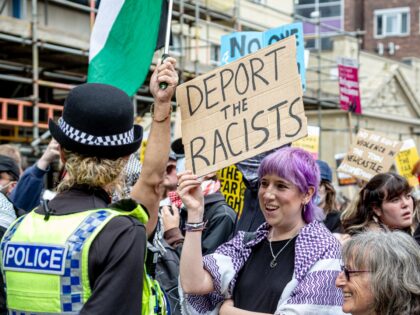
Lambeth Council’s decision to stop cooperating with immigration enforcement is a textbook case of local officials deciding that national law is optional when it doesn’t suit their politics. By refusing to assist in detaining illegal migrants, the Green-led body is effectively carving out its own immigration policy inside the United Kingdom, mirroring the sanctuary-city model that has already produced measurable spikes in crime and strained public services on both sides of the Atlantic. The move isn’t about compassion; it’s about signaling virtue while shifting the costs of open-border ideology onto working-class neighborhoods that can least afford the fallout.
For the 2A community the lesson is immediate and practical: when governments selectively nullify one set of laws, they erode the credibility of every other law—including the fundamental right to keep and bear arms. If local councils can declare themselves immune from Westminster on border security, nothing stops future progressive authorities from declaring themselves “gun-free zones” that simply ignore carry permits or refuse to prosecute violations of shall-issue statutes. History shows that jurisdictions already hostile to self-defense are the first to experiment with these nullification tactics; once the precedent is set, the same officials who won’t help ICE or the Home Office will happily ignore court rulings protecting lawful gun owners.
The broader implication is that rule-of-law erosion travels in packs. Weakened borders invite the very disorder that makes armed self-defense more necessary, yet the same political class pushing sanctuary policies is also the one most eager to restrict the tools citizens need to protect themselves. Lambeth’s stand is therefore not an isolated immigration story; it is another data point in the long march toward a two-tiered legal system where progressive enclaves pick which constitutional and statutory protections they will honor and which they will nullify.


