

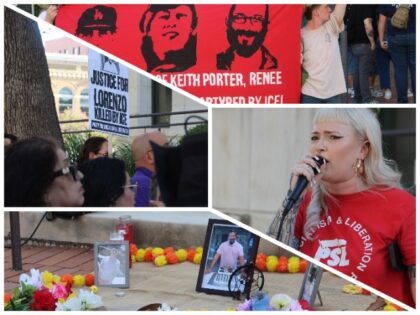
The protest in San Antonio over the Houston ICE shooting reveals a familiar pattern: activist groups framing a lawful use of force as systemic injustice while ignoring the suspect’s decision to weaponize a vehicle against federal officers. When an illegal alien attempts to run down an agent during a targeted enforcement action, the officer’s decision to stop the threat with deadly force aligns squarely with the same principles that underpin the Second Amendment—namely, the right and duty of individuals to defend life against imminent harm. The crowd’s outrage, however, treats the agent’s firearm as the problem rather than the criminal conduct that provoked its use, a rhetorical sleight-of-hand that erodes public support for armed self-defense in any context.
For the 2A community, this episode underscores how narratives that demonize law-enforcement shootings bleed into broader attacks on civilian carry and ownership. If activists can portray stopping a vehicle-borne assault as excessive, the same logic will eventually be turned against homeowners or concealed-carry holders who use force to halt identical threats. The right to keep and bear arms is only as secure as the cultural consensus that recognizes when deadly force is justified; once that consensus frays under selective outrage, every defensive shooting—whether by an ICE agent or a private citizen—becomes fair game for political exploitation.
Ultimately, the San Antonio demonstration is less about one incident and more about a sustained effort to shift the Overton window away from individual accountability and toward institutional disarmament. Pro-2A advocates should treat these protests as early-warning signals: the same voices questioning an officer’s split-second decision today will question a citizen’s tomorrow. Maintaining robust legal protections and cultural clarity around the justified use of force remains essential to preserving both immigration enforcement and the Second Amendment itself.


