

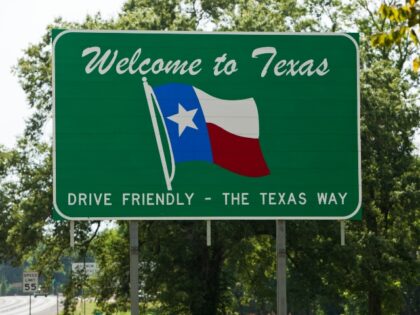
Samsung’s decision to pack up its U.S. headquarters and head for Plano, Texas, isn’t just another corporate relocation—it’s a referendum on how states treat the businesses that keep their economies humming. New Jersey’s punishing tax climate, regulatory thicket, and anti-growth politics have once again driven capital and talent southward, this time costing the Garden State roughly 1,000 high-paying jobs. Texas, by contrast, continues to prove that low taxes, predictable rules, and a pro-business culture still matter when companies weigh where to plant their flag. For the firearms community, the lesson is immediate: the same states that chase away innovators with hostile policies are often the ones that treat lawful gun owners like second-class citizens, layering on magazine bans, permitting hurdles, and endless litigation. When Samsung leaves, it takes more than payroll—it takes the economic oxygen that keeps ranges, training facilities, and local FFLs viable.
The broader implication is that Second Amendment strongholds and business-friendly jurisdictions increasingly overlap, creating self-reinforcing ecosystems where rights and commerce reinforce each other. Texas already hosts major defense contractors, ammunition makers, and a growing cluster of firearms-related startups; adding Samsung’s footprint only deepens that advantage by bringing skilled engineers and supply-chain expertise into a state that respects both economic liberty and the right to keep and bear arms. New Jersey’s loss, meanwhile, underscores how quickly anti-industry and anti-gun policies can compound: companies flee, tax revenue drops, and legislators respond by squeezing the remaining productive citizens even harder. The 2A community should watch these moves closely, because every headquarters that relocates to a constitutional-carry, shall-issue state strengthens the political and economic base that defends our rights at the ballot box and in the courts.


