

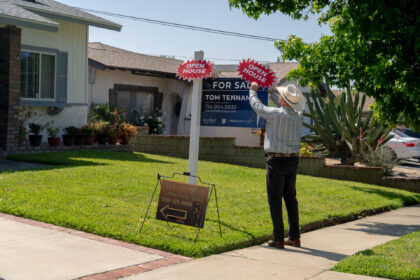
Sales of new single-family homes just cratered 7.3 percent in May, landing at the weakest pace since January and reminding everyone that the housing market is still very much a hostage to 7-percent-plus mortgage rates and sky-high sticker prices. For the firearms community this isn’t just another economic data point; it’s a direct hit to the suburban and exurban expansion that has powered much of the last decade’s surge in first-time gun ownership. When young families can’t stretch into that three-bedroom ranch on a half-acre lot, they stay stacked in apartments or townhomes where range trips, safe storage, and even basic marksmanship training become logistical headaches instead of weekend routines.
The knock-on effects ripple straight into the supply chain that supports the 2A economy. Builders who can’t move inventory cut lumber orders, appliance contracts, and ultimately the very construction crews who have been reliable buyers of defensive firearms and long guns for property protection. Meanwhile, existing-home owners sitting on low-rate mortgages are far less likely to list, freezing the “move-up” cycle that historically funnels equity into gun-room upgrades, reloading benches, and weekend plinking properties. In short, a housing market that stays frozen at these price and rate levels doesn’t just crimp square footage—it quietly squeezes the lifestyle infrastructure that turns casual owners into consistent, politically engaged participants in the firearms culture.


