

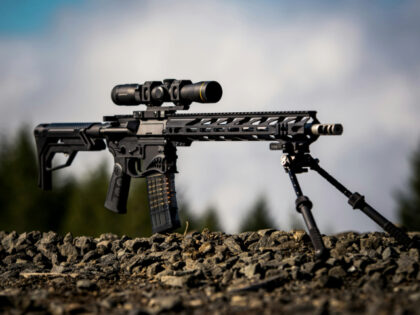
Virginia’s gun stores are seeing the kind of foot traffic that usually only shows up right before a presidential election, and the reason is simple: the state’s new “assault weapons” ban is set to slam the door on standard-capacity magazines and many semi-automatic rifles in just weeks. What looks like panic buying on the surface is actually a rational market response to a policy that converts millions of lawfully owned firearms and magazines into overnight contraband for anyone who doesn’t register or surrender them. The surge isn’t limited to complete rifles; stripped lowers, upper receivers, and magazines that hold more than 15 rounds are flying off shelves because Virginians understand that once the law takes effect, those components will be far harder—and legally riskier—to obtain.
For the broader Second Amendment community, the development is a live demonstration of how quickly rights can be chilled by the mere prospect of restriction. Law-abiding citizens who have never committed a crime are being forced to accelerate purchases they might otherwise have spread over years, effectively prepaying a tax imposed by legislation rather than by any safety outcome. The irony is hard to miss: the same lawmakers who claim these magazines and rifles pose an intolerable public-safety threat are presiding over record sales that put more of them into circulation before the cutoff date. That contradiction undercuts the policy’s stated rationale and hands future court challenges a ready-made record of arbitrary timing and disparate impact on the very people the law claims to protect.
Longer term, the Virginia experience is likely to serve as both cautionary tale and organizing tool. Other states watching the rush will see that pre-ban buying sprees concentrate supply in the hands of residents who can still move quickly, while leaving later arrivals or lower-income owners at a disadvantage—an outcome hardly consistent with “equity” rhetoric. At the same time, the visible exercise of Second Amendment rights under deadline pressure tends to harden political resolve; voters who might have stayed home are reminded exactly what is at stake when a legislature decides that a formerly common firearm is suddenly too dangerous for civilians. The coming months will test whether Virginia’s gun-owning public treats the ban as settled law or as the opening move in a longer legal and electoral fight.


