

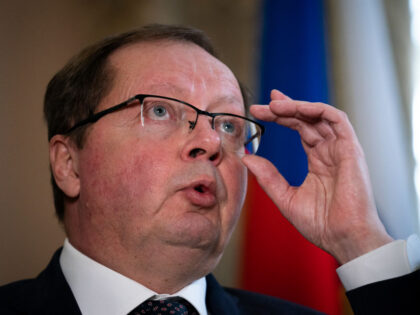
Russia’s decision to leave its London embassy without an ambassador is more than a diplomatic snub—it’s a calculated signal that the Kremlin is willing to burn bridges with any nation that arms Ukraine. Britain’s steady flow of NLAW anti-tank missiles, Storm Shadow cruise missiles, and Challenger 2 tanks has kept Kyiv in the fight far longer than Moscow expected, and the ambassadorial vacuum is Moscow’s way of saying the gloves are off. For the firearms community, the move underscores a larger truth: when a nation’s survival hinges on small-arms and crew-served weapons, political posturing quickly gives way to hard questions about production capacity, export policy, and the Second Amendment’s role in sustaining allied militaries.
The optics are striking. While the UK publicly touts its support for Ukraine, the absence of a Russian ambassador quietly telegraphs that London has crossed a threshold Moscow once considered inviolable. That threshold matters to American gun owners because the same factories turning out AR-15s and precision rifles for civilians also feed the global supply chain that keeps Western armies stocked. Any escalation that draws more NATO countries into direct confrontation risks export controls, raw-material reallocations, and even domestic rationing—measures that historically throttle civilian access long before they affect military needs. The 2A community has watched similar patterns play out in past conflicts; the lesson is that rights exercised at the range today can become strategic assets tomorrow.
Beyond the immediate diplomatic chill, the episode highlights how fragile the just-in-time munitions pipeline really is. Britain’s decision to send next-generation missiles while its own stockpiles run low mirrors the U.S. experience of drawing down 155 mm artillery shells for Ukraine, leaving domestic ranges and law-enforcement agencies competing for dwindling reserves. If the conflict widens, expect renewed calls for prioritizing government contracts over commercial sales—an argument that always circles back to the same debate: does the Second Amendment protect only the right to keep arms, or also the industrial base that produces them? Russia’s empty London post is a reminder that those questions are no longer theoretical.


