

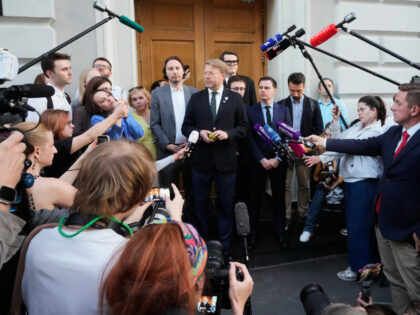
Russia’s Supreme Court just shuttered the last liberal party still standing, branding it a Western-funded front for the “international LGBT movement.” The move is less about sexual politics than about extinguishing any organized opposition before September’s parliamentary vote, leaving only Kremlin-approved lists on the ballot. For the Second Amendment community the lesson is immediate: when a regime decides that dissent equals foreign subversion, the first casualty is political competition; the second is the individual right to arms that could check that power. In Russia, civilian ownership of modern semi-automatic rifles is already hedged behind layers of psychiatric exams, storage rules, and party-line loyalty tests; once the last dissenting voice is erased, there is no legislative curb left to keep those restrictions from tightening further.
The optics matter as much as the statute books. Moscow’s narrative—that any group questioning the war must be on the CIA’s payroll—mirrors the same rhetorical trick used by authoritarians everywhere: equate the right to keep and bear arms with conspiracy, then regulate the “conspiracy” out of existence. American gun owners who sometimes shrug at foreign civil-liberty stories are watching a dry run of the same script—registration lists weaponized, trade associations labeled “extremist,” and sudden court rulings that convert once-lawful firearms into contraband overnight. The Russian example shows how quickly a disarmed populace becomes an audience rather than a participant in its own governance.
Bottom line, the erosion of political pluralism and the erosion of gun rights are not separate events; they are sequential chapters in the same story. When the last anti-war party is kicked off the ballot for “accepting Western money,” the 2A community should read the subtext: a government confident enough to outlaw its opposition is rarely satisfied until it also outlaws your ability to resist.


