

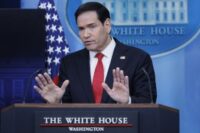
In the Strait of Hormuz, where roughly one-fifth of global oil still squeezes through a 21-mile-wide chokepoint bracketed by Iranian anti-ship missiles and Revolutionary Guard speedboats, Senator Marco Rubio’s measured tone signals that Washington is not about to trade away leverage for a headline. The administration’s caution is prudent: any deal that loosens sanctions without ironclad verification mechanisms risks flooding Tehran with revenue that could be redirected toward proxy militias, advanced drone programs, and, yes, the very weapons that threaten free navigation. For the firearms community this matters because energy-price shocks translate directly into higher costs for polymer, propellant feedstock, and the specialty steels used in barrels and actions; when crude spikes, everything from primer production to range fees feels the pinch.
Rubio’s restraint also underscores a deeper strategic reality: the United States retains the industrial and technological edge to deter closure of the strait through a combination of naval presence, rapid-deployment air wings, and precision munitions that do not require permanent forward bases vulnerable to Iranian retaliation. That same edge—domestic manufacturing capacity, skilled machinists, and a robust small-arms ecosystem—remains the quiet guarantor of energy security. When policymakers keep expectations low and sanctions credible, they avoid the boom-bust cycles that historically hammered domestic producers and, by extension, the suppliers who keep America’s gun culture supplied with quality components at stable prices.
The takeaway for Second Amendment advocates is straightforward: energy policy and the right to keep and bear arms are linked through the health of American industry. Keeping Hormuz open without naïve concessions preserves both the flow of affordable fuel and the economic oxygen that lets domestic firearms makers continue innovating rather than rationing production. Rubio’s tempered rhetoric is therefore not mere political theater; it is a quiet vote of confidence in the same manufacturing resilience that underpins both national security and the everyday exercise of constitutional rights.


