

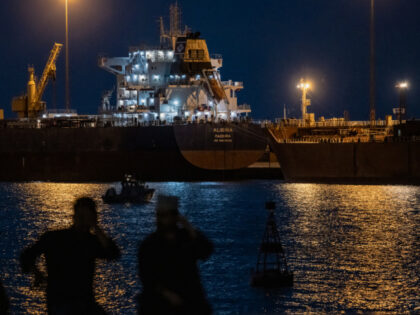
The sudden rush to reopen the Strait of Hormuz is more than a headline about oil tankers; it’s a reminder that energy chokepoints and the Second Amendment are joined at the hip. When the world’s most critical maritime artery is threatened, the price of crude spikes, inflation follows, and the same politicians who spent the last decade demonizing “assault weapons” suddenly rediscover the value of a well-armed citizenry that can secure its own communities if supply chains fracture. Rubio’s optimism and Bessent’s “deal by tomorrow” timeline may calm futures traders, but they also underscore how fragile global commerce remains—and how little margin for error exists when the average household is already one missed paycheck from the pawn shop.
For the 2A community, the lesson is straightforward: every barrel held hostage in Hormuz is another argument for stockpiling both ammunition and the legal tools to keep it. The same Beltway voices now praising “decisive diplomacy” were, only weeks ago, pushing red-flag laws that could disarm a citizen overnight on the say-so of an ex-spouse or disgruntled neighbor. If a temporary closure of the strait can roil markets, imagine the cascading effects of a prolonged crisis—empty grocery shelves, fuel rationing, civil-unrest footage piped into every living room. Those images have historically driven record background-check numbers, and the industry’s response has always been the same: capacity expansion, new SKUs, and statehouses finally moving pro-carry legislation that had gathered dust.
The deeper takeaway is that freedom isn’t a single-issue silo. Energy security, trade routes, and the right to keep and bear arms are threads in the same fabric. When the administration leans on Qatar and contemplates kinetic options to keep crude flowing, it tacitly admits that deterrence matters—whether the threat is a blockade in the Gulf or a ballot-box effort to erode constitutional protections at home. The 2A community’s job is to make that connection explicit: an armed populace isn’t just a hedge against tyranny; it’s also the ultimate insurance policy when distant crises threaten to land on American soil.


