

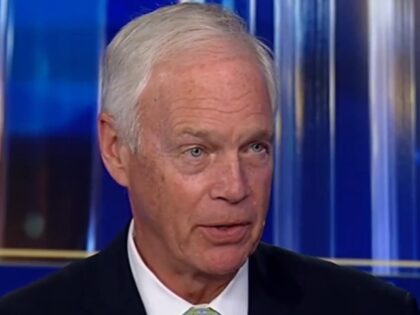
Sen. Ron Johnson’s blunt assessment on “The Ingraham Angle” that Democrats are “burying their heads in the sand” over Anthony Fauci’s role in the COVID-19 response is more than political theater—it’s a warning shot about how unelected bureaucrats can weaponize public-health emergencies to expand their reach. Johnson’s point lands squarely with Second Amendment supporters who watched the same administrative state use pandemic powers to shutter gun stores, halt ammunition shipments, and pressure social-media platforms to throttle lawful firearm content. When the same officials who once claimed “15 days to slow the spread” now resist congressional scrutiny, it underscores why the right to keep and bear arms remains the ultimate check against government overreach.
The deeper implication is that institutional trust erodes fastest when accountability is optional. Johnson’s call for transparency mirrors the frustration many gun owners felt when ATF “guidance letters” suddenly redefined pistol braces or when the FBI quietly expanded its NICS indices without new legislation. If Fauci’s private communications and funding decisions can be shielded from oversight, the precedent suggests that future agencies could similarly insulate themselves while regulating firearms, ammunition serialization, or even speech about self-defense. The 2A community has learned the hard way that rights not defended in one arena—public health, digital platforms, or congressional hearings—are quickly curtailed in another.
Ultimately, Johnson’s critique is a reminder that vigilance cannot be seasonal. Whether the issue is pandemic policy or the next ATF rule, an informed, organized constituency that demands transparency and due process is the best insurance policy against mission creep. For gun owners, that means treating every bureaucratic blind spot as a potential threat vector and staying engaged long after the cameras leave the hearing room.


