

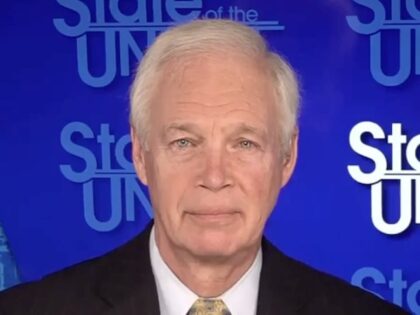
Sen. Ron Johnson’s blunt assessment on Kudlow captures the grim reality that Iran’s theocratic regime crushed its own people rather than face a genuine uprising, and the new memorandum of understanding simply codifies that failure by handing Tehran easier access to oil revenue. The senator rightly notes that hopes of internal regime change were dashed by brutal suppression, yet the deal still treats the mullahs as legitimate partners in global commerce. For the firearms community this matters because every dollar the regime frees up can flow toward proxy militias, ballistic-missile programs, and the very terror networks that threaten both American interests and the security of our closest Middle East ally, Israel—whose citizens rely on privately held arms and a robust domestic defense industry to deter Iranian-backed aggression.
The deeper implication for Second Amendment advocates is that foreign-policy choices directly shape the threat environment in which our rights are exercised. When sanctions are loosened without ironclad verification, the same oil windfall that props up Hezbollah and the Houthis also finances advanced drones and precision munitions that could one day target U.S. forces or civilian infrastructure. Law-abiding gun owners understand that deterrence works best when backed by credible force; an Iran flush with cash undermines that credibility by subsidizing instability from the Levant to the Strait of Hormuz. Johnson’s warning is therefore not just about oil money—it is a reminder that vigilance abroad protects the conditions that allow responsible citizens to keep and bear arms at home without fear of imported chaos.


