

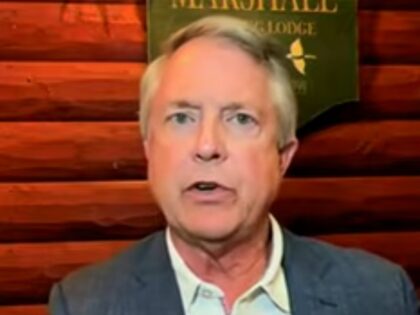
Sen. Roger Marshall’s blunt assessment of Anthony Fauci as “drunk with power” and “drunk with his own celebrity status” lands like a warning shot across the bow of federal overreach. Marshall’s remarks on Fox News Sunday underscore how one unelected official, cloaked in public-health authority, could dictate lockdowns, school closures, and vaccine mandates that touched every corner of American life. For the Second Amendment community, the episode is a textbook case of mission creep: an agency head who began with narrow statutory authority ended up shaping national policy through press conferences and emergency declarations, bypassing Congress and the courts. The lesson is clear—if a health bureaucrat can shutter businesses and restrict movement on a signature, the same administrative machinery could be repurposed to curtail the right to keep and bear arms under the banner of “public safety.”
The deeper implication is institutional, not partisan. Marshall’s critique highlights how concentrated executive power, once normalized, rarely retreats; it simply changes uniforms. Gun owners who watched ATF “guidance letters” morph into pistol-brace rules or watched the pistol-brace rule itself get struck down in court understand the pattern: agencies test the limits of their mandates, the public acclimates, and rights erode by inches. Fauci’s celebrity-driven tenure demonstrated how easily media amplification can insulate regulators from accountability, a dynamic that applies equally to future ATF directors or DOJ officials who might seek to redefine “assault weapon” or “engaged in the business” without new legislation. The 2A community’s vigilance, therefore, must extend beyond the obvious flashpoints of gun-control bills to the quiet accumulation of administrative precedent wherever it appears.
Ultimately, Marshall’s comments serve as a reminder that constitutional rights are preserved not by trusting the next well-intentioned administrator, but by insisting that power remain tethered to elected lawmakers and judicial review. Whether the next crisis is a pandemic, an environmental scare, or a spike in urban crime, the same reflexive impulse to “do something” will tempt officials to stretch their authority. The Second Amendment survives only if citizens recognize that the architecture of limited government is the best safeguard—because the moment we accept that one charismatic figure can rule by press briefing, every other enumerated right becomes negotiable.


