

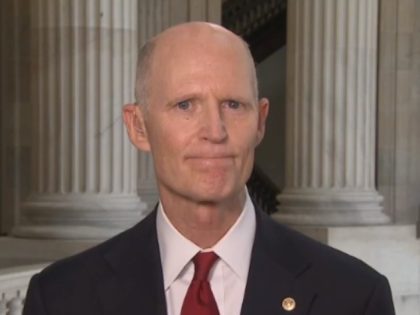
Sen. Rick Scott’s quip that Raul Castro would rather flee Cuba than risk dying behind bars lands with extra bite when you consider how the regime’s survival has long depended on exporting instability—guns, ideology, and narco-dollars—to the hemisphere. For decades Havana has funneled small arms and training to insurgencies from Colombia to Venezuela, creating the very conditions that later justify tighter U.S. gun-control arguments at home. Scott’s prediction that the Castros will bolt before Washington ever lifts a finger underscores a deeper truth: authoritarian regimes that disarm their own people inevitably turn outward for revenue and leverage, and the resulting chaos always circles back to pressure American gun owners.
The Florida senator’s larger point—that the United States could physically retrieve Raul if it chose—also highlights the asymmetry between a free armed citizenry and a population stripped of the means of resistance. Cuba’s model of total state control over firearms is precisely what the Founders feared; it leaves citizens defenseless against both their own government and the criminal networks the regime tolerates or partners with. When Scott suggests Castro’s self-preservation instinct will win out, he is implicitly reminding Americans that our Second Amendment is the firewall that keeps similar strongmen from ever consolidating that kind of power here.
For the 2A community the takeaway is straightforward: every time a Latin-American strongman eyes the exits, it validates the argument that rights—not rulers—secure peace. Scott’s line is more than political theater; it’s a reminder that the same principles keeping tyrants nervous abroad are the ones that keep American communities safer at home.


