

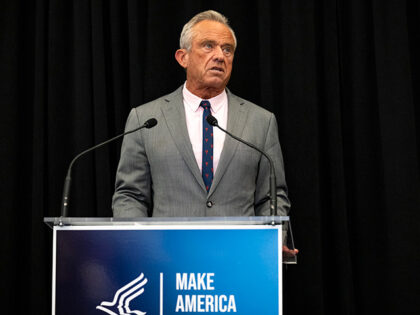
When the federal government finally yanked the plug on Network for Hope, it wasn’t just another bureaucratic footnote—it was a chilling reminder that the same institutions entrusted with protecting life can, under the right incentives, treat it as a harvestable commodity. RFK Jr.’s move to decertify the outfit after a patient began showing signs of consciousness on the operating table exposes a systemic rot: once the state or its contractors decide your organs are more valuable than your continued existence, the paperwork can be made to say you’re already gone. For Second Amendment advocates, the lesson is immediate and visceral—rights are only as secure as the culture that respects the sanctity of the individual, and that culture is eroding wherever profit motives or quota systems override due process and basic humanity.
The deeper implication is that a government comfortable redefining death to suit organ demand will have little philosophical trouble redefining other rights when politically expedient. If the administrative state can quietly green-light the extraction of a beating heart from someone still fighting to live, it can just as easily decide that certain classes of citizens—perhaps those who refuse “red flag” orders or cling too tightly to their firearms—are likewise expendable under some future public-health or “community safety” rationale. The right to keep and bear arms exists precisely because history shows governments that stop viewing citizens as ends in themselves soon begin treating them as resources to be managed, disarmed, or liquidated.
What RFK Jr. did was small but symbolically enormous: he reminded the country that life is not a federal program and that no agency should enjoy unchecked power over the boundary between person and cadaver. For the 2A community, the episode is another data point proving that vigilance cannot stop at the gun safe; it must extend to every bureaucracy that claims the authority to decide who is still worth saving.


