

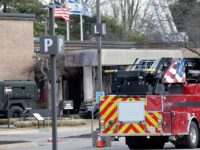
The resurfaced audio of Abdul El-Sayed downplaying the 2022 Beth Israel synagogue attack in Colleyville, Texas, is more than a political gaffe—it’s a window into how some progressive candidates treat Jewish safety as a secondary concern. When El-Sayed suggested the hostage-taking was “not terrorism” but rather a “mental-health issue,” he echoed a familiar pattern: re-labeling ideologically motivated violence so it doesn’t complicate narratives about guns, policing, or “Islamophobia.” For Second Amendment advocates, the episode is a reminder that the same rhetorical sleight-of-hand is routinely aimed at lawful gun owners—recasting defensive firearm use as “vigilantism” or “escalation” whenever the facts don’t fit the preferred storyline.
That linguistic maneuver matters because it shapes policy. If an armed congregant or off-duty officer had ended the standoff sooner, El-Sayed-style commentary would likely have pivoted from “mental health” to “too many guns,” ignoring that the attacker’s radical ideology, not the presence of firearms, created the threat. The 2A community has watched this cycle repeat after synagogue attacks in Pittsburgh and Poway: calls for more restrictions on the law-abiding rather than honest scrutiny of failures in threat assessment and synagogue security. El-Sayed’s comments preview how such instincts would scale under statewide leadership.
The takeaway is straightforward. Voters who value both religious liberty and the right to bear arms cannot assume that candidates skeptical of one will defend the other. When rhetoric minimizes terrorist intent, it also minimizes the urgency of letting citizens harden soft targets—through armed security, trained congregants, and constitutional carry—rather than leaving them dependent on a delayed police response.


