

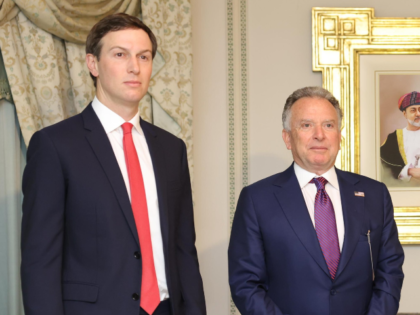
The latest diplomatic shuffle in Doha carries a quiet but unmistakable signal for anyone who tracks how global leverage actually works: the United States is once again treating Qatar as the indispensable middleman while keeping Tehran at arm’s length. By sending Steve Witkoff and Jared Kushner to negotiate the rollout of a new memorandum without sitting across the table from Iranian officials, Washington is signaling that it still views direct engagement as too costly in both optics and substance. For the firearms community that has watched sanctions relief translate into Iranian cash flowing to proxies, this choreography matters. Every dollar Tehran keeps because negotiators refuse to meet face-to-face is a dollar less likely to end up in the hands of groups that have historically used American-made weapons against U.S. forces and partners.
What makes the story sharper is the timing. The memorandum itself was inked only weeks ago, yet the follow-up already requires a high-profile American delegation to babysit implementation from a third-country hotel rather than an embassy in Tehran. That tells you the underlying distrust has not eased; it has simply been papered over with Qatari assurances. Second Amendment advocates have long argued that sanctions regimes are only as strong as the political will to enforce them. When negotiators must travel halfway around the world to keep an agreement from unraveling, it underscores how fragile those controls remain and how quickly revenue can be repurposed once restrictions loosen. The 2A community’s stake is straightforward: weapons proliferation tracks money, and money tracks the durability of sanctions.
The deeper implication is that any future relaxation of export controls or sanctions architecture will be litigated in places like Doha long before it reaches the Senate floor. Firearms owners who remember the Iran-Contra era and the more recent flood of Iranian drones and missiles into proxy inventories understand that policy made in hotel suites can outrun congressional oversight. Keeping negotiators from sitting down with Iranian counterparts may look like a hard line, but it also keeps the process deliberately opaque. For those who believe the right to keep and bear arms exists partly to deter foreign adventurism, opacity in sanctions enforcement is never reassuring; it is a reminder that the next shipment of components or cash could already be in motion while the public is still reading the press release.


