

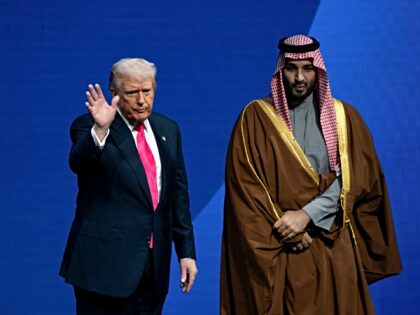
The Trump administration’s reported move to green-light nuclear cooperation with Saudi Arabia isn’t just another foreign-policy footnote—it’s a textbook case of how energy leverage and strategic alliances shape the global balance of power. By offering Riyadh access to advanced reactor designs and fuel-cycle know-how, Washington is betting that a nuclear-capable Saudi Arabia will counterbalance Iran’s own ambitions and keep the Persian Gulf’s oil spigots firmly in friendly hands. For the firearms community, the lesson is straightforward: when the United States projects strength through technology-sharing rather than endless troop deployments, it reduces the likelihood that American rifle owners will one day be asked to police another Middle-East quagmire.
Critics on both sides of the aisle are already warning that the deal could accelerate a regional arms race, yet the deeper story is about deterrence and sovereignty. A Saudi nuclear program built with U.S. oversight keeps the kingdom inside the non-proliferation tent while still giving it an independent deterrent—much the way an armed citizenry deters tyranny at home. The same principle that underpins the Second Amendment—that free people must retain the means of self-defense—applies on the international stage: nations that can credibly defend themselves are less likely to drag their allies into costly conflicts.
If the reports hold, the real winners are American defense contractors and the taxpayers who won’t have to foot the bill for another decade-long occupation. The firearms community should watch this space closely; every time the United States chooses technological partnerships over perpetual policing, it reinforces the idea that strength, not surrender, keeps the peace.


