

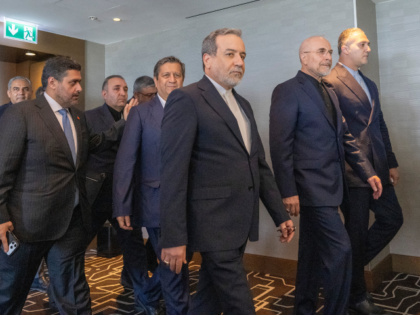
The revelation that Washington quietly worried Israel might take out Iran’s lead negotiators mid-talks isn’t just another Beltway whisper—it’s a flashing neon sign that even America’s closest Middle East ally operates on its own timetable when survival is on the line. While the diplomats were supposedly hammering out de-escalation, Israeli intelligence was apparently mapping kill boxes instead, a reminder that real deterrence still rests on the credible willingness to use force rather than on signatures and photo-ops. For the 2A community this should ring familiar: just as law-abiding Americans refuse to outsource their personal security to slow-moving bureaucracies, Israel refuses to outsource its national survival to negotiators who may or may not share its threat assessment.
That tension between diplomacy and decisive action also underscores why civilian arms ownership remains a non-negotiable backstop in free societies. When governments dither over whether an adversary’s envoys are “off-limits,” ordinary citizens are left wondering whether their own leaders will prioritize political optics over stopping the next threat at the border or in the streets. The same logic that lets a nation keep its powder dry until the moment it must strike applies to individuals who train and carry: the right to bear arms exists precisely because peace is never guaranteed by paper alone.
Finally, the episode highlights how quickly the narrative can flip from “talks are working” to “we almost got dragged back into open conflict” when one side retains escalation dominance. Pro-2A Americans watching this unfold should see the parallel to domestic policy fights where the same officials who lecture citizens about “trusting the process” simultaneously stockpile exceptions for themselves and their allies. In both arenas the lesson is identical—rights and security are best preserved by those prepared to exercise them, not by those hoping the other side plays by the rules.


