

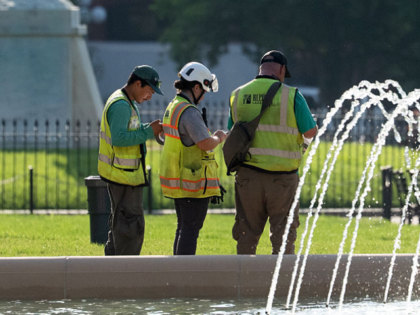
President Trump’s plan to add more trees to Lafayette Square isn’t just another landscaping project—it’s a deliberate signal that the nation’s front yard will once again look like a place worth defending. By restoring the historic square’s canopy, the administration is reinforcing the idea that public spaces should feel orderly and inviting rather than neglected or weaponized against law-abiding citizens. For the 2A community, the symbolism is hard to miss: a president who plants trees in front of the White House is the same one who planted constitutionalist judges on the federal bench, giving us Bruen and the clearest affirmation of the right to bear arms in a century.
The move also underscores a broader pattern. While previous administrations let crime and disorder creep right up to the presidential doorstep, this one is choosing visible, tangible improvements that project strength and stewardship. That matters to gun owners because safe streets and secure public spaces reduce the political pressure to restrict carry rights or expand “sensitive places” where firearms are banned. When the capital looks cared-for instead of chaotic, the narrative that armed citizens are the problem loses its punch.
Ultimately, the tree-planting effort is a small but telling reminder that culture and policy travel together. A White House that values beauty, order, and tradition is far more likely to defend the foundational tradition of an armed citizenry than one that treats the Second Amendment as an embarrassing relic. As the 2024 cycle heats up, every visible restoration—from Lafayette Square’s new shade to the federal courts’ renewed respect for the right to keep and bear arms—helps cement the case that constitutional carry and constitutional governance rise or fall together.


