

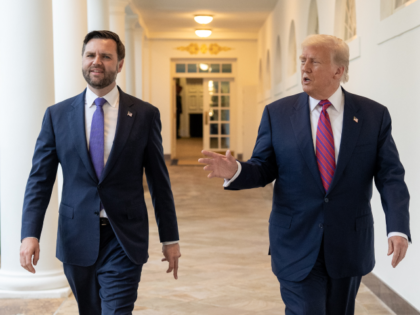
President Trump’s private endorsement of JD Vance as his 2028 heir-apparent is more than a dynastic nod—it’s a strategic signal that the Second Amendment will remain a non-negotiable pillar of the Republican platform. By elevating a running mate who has already compiled a 100 % pro-gun voting record in the Senate, Trump is telegraphing to donors and grassroots alike that the MAGA movement intends to institutionalize the gains made during his first term: nationwide reciprocity legislation, the appointment of textualist judges who view the right to keep and bear arms as truly individual, and an ATF that interprets statutes narrowly rather than expansively. For the 2A community, this is reassurance that the Overton window on firearms policy will not slide leftward even after Trump exits the stage.
Vance’s own rhetoric reinforces that confidence. He has repeatedly framed gun ownership as both a constitutional safeguard and a cultural inheritance, rejecting the coastal consensus that treats the AR-15 as a “weapon of war” rather than the modern militia rifle it functionally is. His willingness to confront Big Tech censorship of pro-2A voices and to defend the right of states to nullify unconstitutional federal gun-control edicts gives the firearms community a champion who understands that culture-war battles and legislative fights are inseparable. If Trump’s whisper in the Oval Office becomes party orthodoxy, donors who bankroll gun-rights litigation and voter-mobilization efforts can expect a clear runway through at least 2032.
The larger implication is continuity of judicial appointments. Trump’s first term reshaped the federal bench; a Vance presidency would likely extend that legacy, ensuring that future challenges to magazine bans, assault-weapon restrictions, and red-flag laws reach courts inclined to apply strict scrutiny. In short, Trump’s reported preference isn’t merely about succession—it’s a calculated move to lock the Second Amendment into the long-term architecture of American conservatism.


