

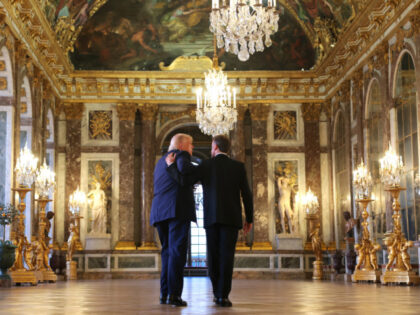
In a move that feels ripped straight from the pages of high-stakes diplomacy, President Trump’s personal signature on the Iran agreement at Versailles signals more than just another foreign-policy headline—it underscores a return to strength-through-peace that directly benefits the domestic firearms community. By anchoring the deal at the historic Palace of Versailles, the administration is telegraphing that American resolve, backed by a credible deterrent, can de-escalate tensions without ceding leverage. For Second Amendment advocates, that credibility rests in part on an armed citizenry whose rights remain uncompromised; any perceived weakening of U.S. posture abroad historically invites calls for tighter domestic gun controls under the guise of “global stability.”
The timing is equally telling. With the memorandum now in effect, supply chains for imported components—from optics to specialty steels—stand to stabilize, potentially easing the price pressure that has lingered since sanctions tightened. More importantly, the optics of a president willing to negotiate from a position of strength rather than concession reinforce the broader narrative that individual liberty and national security are not mutually exclusive. Pro-2A voices have long argued that an administration serious about peace abroad is less likely to scapegoat lawful gun owners at home; this agreement offers a tangible data point supporting that thesis.
Ultimately, the Versailles signing is less about parchment and more about precedent: it reminds the firearms community that policy decisions thousands of miles away can ripple straight into the cost and availability of the tools citizens rely on for self-defense. Keeping a watchful eye on how enforcement memos translate into regulatory guidance will be essential, because when the world sees an America that negotiates with backbone, the case for preserving an armed populace only grows stronger.


