

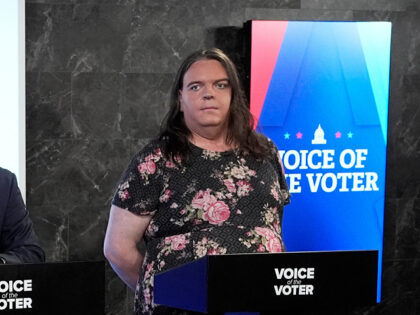
In a political climate already saturated with image-crafting, the revelation that transgender Democrat Senate hopeful Ashley Webb leaned on an AI-generated photo of a young woman to market a memoir feels less like an isolated gaffe and more like a symptom of a deeper disconnect between authenticity and narrative control. Webb’s campaign to replace the scandal-plagued Graham Platner in Maine now carries an extra layer of skepticism: if a candidate is willing to fabricate the visual representation of their own story, voters have every reason to question what else might be manufactured—policy positions, personal history, or even the very identity being sold to the electorate. For the 2A community, this episode is a reminder that the same progressive machinery pushing gun-control legislation often operates with a similar disregard for transparency, preferring curated optics over unvarnished reality.
The broader implication is that trust, once the currency of political persuasion, is being devalued by technology that makes deception frictionless. When a memoir—the supposed record of lived experience—arrives wrapped in pixels rather than photographs, it underscores how identity politics can incentivize performance over substance. Gun owners watching this race should note the pattern: candidates who treat personal truth as optional are unlikely to treat the Second Amendment as non-negotiable. If Webb’s campaign is willing to outsource even its own likeness to an algorithm, there is little reason to believe it will defend the right of citizens to keep and bear arms when the next round of restrictions is proposed in Washington.
Ultimately, the episode hands the 2A community a teachable moment about the importance of demanding verifiable consistency from every candidate, regardless of party or identity. In an era where AI can conjure flattering stand-ins for inconvenient realities, the defense of constitutional rights will increasingly depend on voters who refuse to be sold synthetic versions of either people or principles.


