

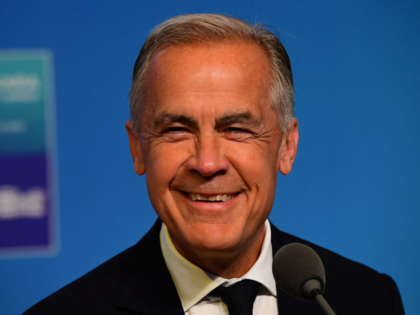
When Canadian Prime Minister Mark Carney dropped nearly $160,000 on in-flight meals for one overseas jaunt, the Canadian Taxpayers Federation didn’t just call it extravagant—they called it a symptom of a government that treats other people’s money like an all-you-can-eat buffet. For Second Amendment advocates watching from south of the border, the story lands with extra sting: the same political class that burns six figures on caviar at 35,000 feet is the one that lectures citizens about “reasonable restrictions” on the right to keep and bear arms. It’s a vivid reminder that the people quickest to limit what you can own are rarely the ones tightening their own belts.
The optics matter because they expose a deeper pattern. Leaders who view taxpayer funds as discretionary play money rarely stop at airline catering; they extend the same logic to firearms policy, treating constitutional rights as luxuries that can be trimmed whenever budgets—or political narratives—demand it. In Canada, that mindset has already produced magazine bans, registration schemes, and the threat of confiscation orders. In the United States, the same impulse shows up in “assault weapon” proposals and red-flag laws that bypass due process. When elites demonstrate they have no internal brake on spending, it’s fair to ask what other limits they’ll cheerfully ignore once they decide your guns are the next line item to cut.
The takeaway for the 2A community is straightforward: fiscal profligacy and rights erosion travel together. A government comfortable spending $160,000 on a single flight’s catering is unlikely to develop sudden respect for the cost—financial or constitutional—of preserving individual liberty. That’s why vigilance on spending and vigilance on gun rights reinforce each other; both are defenses against officials who believe the rules they write for everyone else don’t apply to them.


