

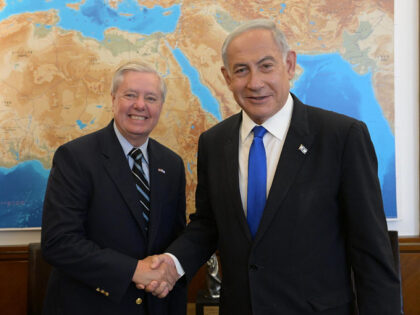
In a move that underscores the deepening ties between the United States and Israel amid escalating regional conflict, Prime Minister Benjamin Netanyahu’s planned trip to Washington signals more than diplomatic courtesy—it’s a calculated affirmation of strategic partnership at a moment when global instability is reshaping defense priorities. With Sen. Lindsey Graham’s passing marking the end of an era for one of the Senate’s most vocal advocates for strong U.S.-Israel relations and robust national security, Netanyahu’s presence at the memorial alongside a meeting with President Trump highlights how foreign policy flashpoints can ripple into domestic debates over military aid, arms exports, and the very supply chains that sustain both nations’ defense industries. For the 2A community, this convergence is a reminder that the same geopolitical pressures driving increased defense spending and technology sharing also reinforce the principle that an armed citizenry and a well-equipped military are two sides of the same coin: deterrence through strength.
The timing couldn’t be more pointed. As tensions with Iran continue to test alliances and supply lines, the optics of Netanyahu conferring with Trump in the nation’s capital serve as a subtle but powerful endorsement of policies that prioritize American manufacturing of firearms, ammunition, and advanced weaponry—sectors that benefit from sustained foreign military financing and export agreements. Graham’s long-standing support for these frameworks, paired with Trump’s America First approach that still recognizes the value of strategic partners, suggests the next chapter of U.S. policy will likely blend domestic production incentives with selective international cooperation. Second Amendment advocates watching these developments should note that any expansion of defense-industrial capacity—whether through new contracts, relaxed regulatory hurdles, or renewed emphasis on small-arms innovation—directly translates to greater availability and technological advancement for civilian firearms markets, reinforcing the economic and cultural case for protecting gun rights as integral to national resilience.


