

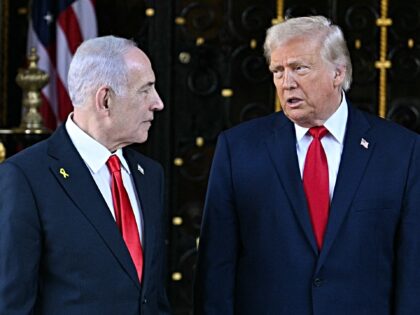
In a move that underscores the razor-thin line between deterrence and outright war, President Trump’s direct intervention reportedly kept Israel from launching a far more ambitious strike on Iran—one that could have dragged the region into a wider conflict. By privately warning Netanyahu that further escalation might leave Israel standing alone, the administration signaled that American support has limits, even for a close ally facing an existential nuclear threat. For the firearms community, this episode is a stark reminder that geopolitical restraint often hinges on credible strength: Israel’s ability to project power rests on a robust defense industry and a citizenry prepared to defend itself, much like the armed populace the Second Amendment was designed to preserve.
The ripple effects extend beyond the Middle East. A larger Israeli operation might have invited Iranian retaliation through proxies, disrupted global oil flows, and tested U.S. commitments under any future administration less inclined to back allies unconditionally. That Trump chose calibrated pressure over blank-check endorsement suggests a foreign-policy realism that values leverage over endless entanglement—principles that resonate with gun owners who understand that rights are secured by readiness, not by wishful thinking or dependence on distant protectors. In both arenas, the lesson is consistent: peace through strength requires the tools, training, and political will to make deterrence believable.
Ultimately, the story highlights how quickly alliances can shift when core interests diverge, reinforcing why self-reliance remains central to the 2A ethos. Whether it’s a nation hedging against abandonment or an individual exercising the right to keep and bear arms, the underlying truth is unchanged—freedom’s first line of defense is never outsourced.


