

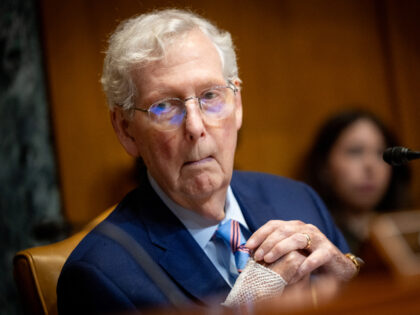
Mitch McConnell’s ability to field calls and weigh in on everything from Iran policy to the unfolding Platner scandal in Maine is a reminder that even a single senator’s voice can ripple through the entire legislative calendar. For the 2A community, the timing matters: McConnell has long been the quiet architect behind must-pass funding bills, and any distraction—foreign or domestic—risks pushing the annual National Defense Authorization Act or ATF funding riders into the next fiscal year. When the Senate’s top Republican is juggling multiple crises, the window for attaching pro-carry or pro-suppressor language narrows, and gun owners feel the squeeze in the form of delayed reforms or last-minute concessions to anti-gun appropriators.
The deeper implication is institutional. McConnell’s institutional memory and floor-management skills have repeatedly kept sweeping gun-control amendments from hitching rides on must-pass legislation; if his influence wanes, newer leadership may lack either the appetite or the leverage to bottle up those amendments. Meanwhile, the Maine scandal offers a live case study in how quickly local controversies can nationalize, potentially energizing anti-2A activists who already view every Republican vacancy as an opportunity to flip a seat and tilt committee ratios. The 2A grassroots therefore has a narrow but critical lane: keep pressure on leadership to prioritize Second Amendment priorities before any health-related or political vacuum invites fresh restrictions.
In short, McConnell’s phone calls are not just Beltway gossip; they are early-warning signals that the legislative chessboard is shifting. Pro-Second Amendment organizations would do well to treat this moment as a forcing function—locking in commitments on reciprocity, HPA, and suppressor deregulation now, rather than waiting to see who ultimately holds the gavel when the next appropriations cycle begins.


