

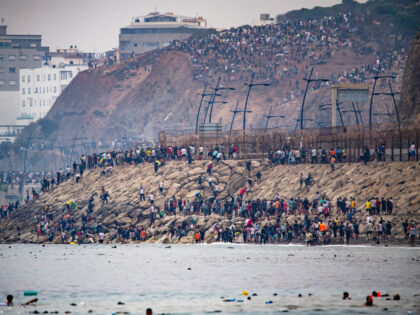
The latest reports out of Ceuta expose a chilling reality: among the thousands who stormed the Spanish enclave were individuals already convicted of jihadist activity and previously expelled from the country. Spanish authorities now admit that the same porous border policies that allowed these radicals back in are the very ones that let them disappear into the migrant stream, only to reappear when the next surge hits. For the firearms community, this isn’t just a European immigration story—it’s a live demonstration of what happens when governments disarm their citizens while simultaneously importing threats they cannot, or will not, control.
Spain’s strict gun laws leave ordinary Spaniards with few legal options for self-defense, yet the state’s own vetting process has proven incapable of keeping jihadists out. The result is a widening gap between the government’s monopoly on force and its ability to protect the public. When the next wave comes—and history shows these surges are cyclical—law-abiding residents will again be left to rely on fences, police response times, and political promises rather than the fundamental human right to keep and bear arms. The Ceuta incident is a warning flare for any nation flirting with similar policies: disarmament plus open borders is not compassion; it is an invitation for the most dangerous actors to test the system.
For American gun owners, the lesson is straightforward. Every new restriction on lawful carry or ownership must be weighed against the state’s actual record of screening and removing genuine threats. When that record includes convicted terrorists slipping through the same channels used by economic migrants, the case for an armed citizenry becomes not theoretical but urgent. The right to bear arms exists precisely because governments cannot guarantee safety when ideology, bureaucracy, and geography collide at the border.


