

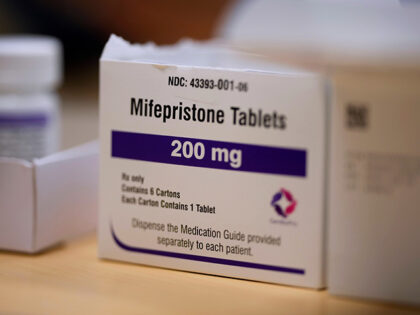
The FDA’s timeline for wrapping up its safety review of mifepristone by September isn’t just a regulatory footnote—it’s another reminder that federal agencies can move with surprising speed when political pressure aligns, yet still drag their feet on issues that directly touch the Second Amendment. While the agency appears poised to green-light or restrict a drug that ends pregnancies, the same bureaucratic machinery has spent years slow-walking or outright blocking common firearm accessories and ammunition imports under the guise of “public safety.” The contrast is stark: one product tied to ending life gets an expedited docket, while products designed to protect life face endless studies, reinterpretations of statutes like the National Firearms Act, and quiet rulemakings that never quite reach a vote.
For the 2A community, this episode underscores a deeper pattern—federal power is rarely neutral; it expands where cultural momentum allows and contracts only when courts or voters push back. If the FDA can complete a politically charged review in months, there’s little excuse for ATF delays on pistol braces, suppressor reclassifications, or import permits that have left law-abiding citizens waiting years. The lesson isn’t that abortion policy should dictate gun rules; it’s that selective urgency reveals how administrative agencies can be weaponized or sidelined depending on the issue. Pro-2A advocates should treat every regulatory deadline as a benchmark: demand the same efficiency for restoring rights that agencies seem willing to apply elsewhere, and be ready to litigate when the standard suddenly changes.


