

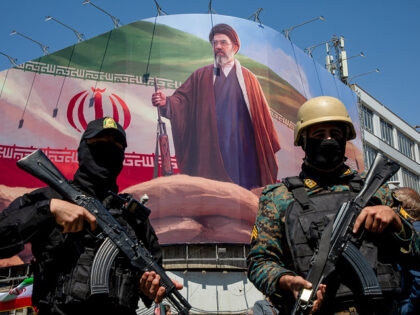
Iran’s theocratic power structure is built on a single, aging bloodline, and the sudden frailty of Mojtaba Khamenei—son of the late Supreme Leader and the regime’s presumptive heir—has sent tremors through the IRGC and the clerical elite. The fact that officials are already gaming out his “martyrdom” tells you everything you need to know about how brittle the system is: one man’s heart attack or car-bomb could trigger a succession crisis that fractures the Revolutionary Guards and the Basij, the very forces tasked with keeping rifles out of civilian hands.
For American gun owners, the lesson is straightforward. When a regime’s survival hinges on a handful of ideologues and their praetorian militias, the first thing it does is disarm its own population; Iran’s strict gun-control laws exist precisely because the mullahs fear an armed citizenry more than they fear foreign armies. If Mojtaba’s death accelerates a power struggle, the IRGC’s internal-security units will be stretched thin, and history shows that authoritarian cohesion weakens fastest when the enforcers start looking over their own shoulders.
That same fragility is why the 2A community should treat every report of instability inside Iran as a reminder that rights are never permanent—they are secured by an armed, vigilant populace that refuses to trade liberty for the promise of order.


