

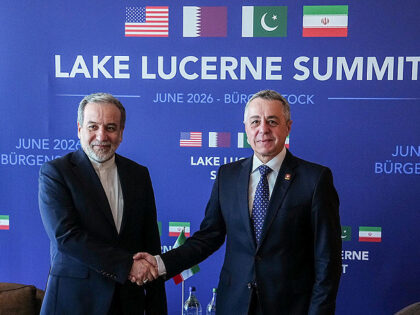
The reported thaw between Washington and Tehran, even as fresh U.S. strikes land on Iranian military targets, is a textbook reminder that diplomacy and deterrence are two sides of the same coin. While the media fixates on the optics of a “ceasefire” collapsing, the real story is how quickly the Biden-era pattern of sanctions relief and back-channel talks can re-emerge once political pressure eases. For the firearms community, that pattern is familiar: every time an administration signals it might ease pressure on an adversary, the domestic gun-control lobby uses the lull to push new restrictions at home, betting that voters will be distracted by foreign headlines.
What makes this moment especially relevant to Second Amendment advocates is the way Iran’s nuclear and proxy ambitions have historically driven U.S. policy on civilian arms exports and import controls. A renewed Memorandum of Understanding could reopen the door to dual-use technology transfers and, more importantly, could give the ATF fresh justification to scrutinize “military-style” components under the guise of preventing proliferation. The same legal architecture used to police Iranian procurement networks has already been repurposed to justify pistol-brace rules, FFL reporting thresholds, and proposed restrictions on imported receivers. In short, when the State Department and Treasury start talking about “confidence-building measures” with Tehran, the 2A community should expect parallel “confidence-building measures” aimed at American gun owners.
The takeaway is straightforward: foreign-policy resets rarely stay foreign. Whether the next round of talks produces another nuclear deal or simply another round of sanctions theater, the administrative state will look for domestic levers to pull. That means staying alert to quiet changes in import rules, serialization requirements, and the ever-expanding definition of who counts as an “exporter” of firearms technology. The fight for the right to keep and bear arms has always been waged on multiple fronts; this latest diplomatic dance with Iran is simply the newest reminder that vigilance abroad and vigilance at home are inseparable.


