

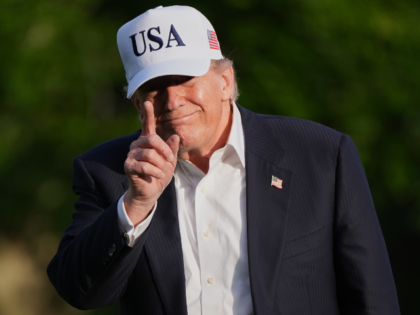
The reported breakthrough with Iran—where the regime has signaled willingness to relinquish its stockpile of highly enriched uranium—marks a rare moment of leverage in a region long defined by nuclear brinkmanship. President Trump’s framing of the deal as “largely negotiated” suggests the administration is banking on verifiable dismantlement rather than the vague promises that characterized earlier accords. For the firearms community, the takeaway is straightforward: when a hostile actor is forced to trade away its most dangerous capability, it validates the principle that credible deterrence and hard-nosed diplomacy beat wishful multilateralism every time.
That same logic applies at home. Just as Iran’s uranium represents latent power that must be verifiably removed, the Second Amendment exists to ensure law-abiding citizens retain the means to deter threats the government cannot—or will not—neutralize. The contrast is instructive: while the administration pushes verifiable disarmament abroad, domestic voices continue to push for one-way restrictions on the very tools citizens rely on for self-defense. The Iranian concession underscores why verifiable, rights-respecting frameworks matter more than feel-good optics.
If the deal holds, it could reset expectations for how rogue regimes calculate risk, potentially easing pressure on conventional arms markets and freeing resources that might otherwise flow into proxy conflicts. For 2A advocates, the lesson is consistency—treat every attempt to erode the right to keep and bear arms with the same skepticism applied to unverifiable nuclear promises. Deterrence works when it is real, reciprocal, and rooted in the recognition that peace is best kept by those prepared to defend it.


