

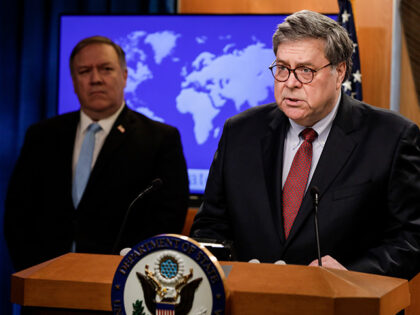
The FBI’s reported decision to tag Mike Pompeo and Bill Barr as “conduits” of Russian disinformation is less a revelation about foreign influence than a window into how federal agencies now weaponize the label “disinformation” to marginalize political opponents. Both men spent their tenures pushing back against the Russia-collusion narrative, exposing the Steele dossier’s Clinton-funded origins, and demanding accountability from the very officials who later appear to have placed them on watch lists. When the same bureau that once relied on that dossier now quietly brands its critics as vectors for Moscow’s talking points, the move looks less like counter-intelligence and more like institutional self-preservation.
For Second Amendment supporters, the episode is a cautionary tale about mission creep. The same investigative tools—FISA warrants, confidential human sources, and narrative-shaping leaks—that were once aimed at a presidential campaign can be repurposed against gun owners who question ATF rulemaking or resist red-flag laws. If former cabinet officials can be retroactively cast as foreign agents for challenging the official story, rank-and-file citizens who share studies on defensive gun uses or criticize pistol-brace rules risk similar labeling. The result is a chilling effect: speech about firearms policy becomes evidence of disloyalty, and the agencies tasked with protecting constitutional rights instead police their boundaries.
Ultimately, the Pompeo-Barr episode underscores why decentralization and transparency matter more than ever. An armed citizenry that can document, film, and share its own data is harder to dismiss as a “conduit” for anything; sunlight remains the best disinfectant when federal power tries to equate dissent with disinformation.


