

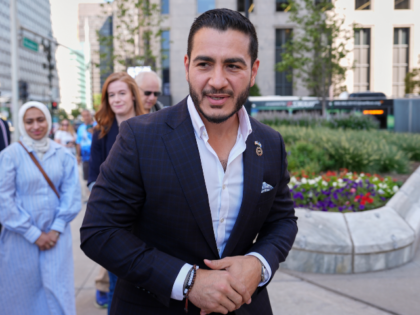
Michigan’s Democratic primary just delivered a warning shot that should echo far beyond the Great Lakes. Abdulrahman Mohamed El-Sayed’s razor-thin win over Rep. Haley Stevens wasn’t merely a generational shift; it was a referendum on whether the party’s progressive base still values electability or has decided that ideological purity tests now outweigh winning. The Hill’s demographic breakdown shows El-Sayed drawing heavily from younger, urban, and heavily college-educated voters—the same cohort that reliably polls in favor of “assault-weapon” bans, red-flag laws, and magazine restrictions. That coalition may be large enough to capture a primary, but it is conspicuously thin in the rural counties and working-class suburbs where general-election margins are actually decided.
For the 2A community, the takeaway is straightforward: the next six years of Michigan’s Senate seat just became a live-fire exercise in grassroots mobilization. El-Sayed’s platform is an explicit embrace of the gun-control wish list that failed spectacularly in 2022 and 2024, yet his supporters appear convinced that turnout among newly energized progressives will offset the suburban women and union households who broke for Republicans last cycle. If Democrats nationally adopt the same math, they risk repeating the 2020-era mistake of writing off entire regions as permanently hostile. The result could be another round of state-level preemption fights, renewed attempts at universal background checks, and a Senate majority more interested in regulating the firearms industry than securing the border.
The broader implication is that the culture war over the Second Amendment is no longer a sideshow; it is now the main event in swing-state Senate races. Michigan gun owners who sat out the primary because “both sides are the same” just received a wake-up call. The general election will test whether a candidate who treats the right to keep and bear arms as a bargaining chip can still carry Macomb and Ottawa Counties—or whether the 2A community’s turnout operation can once again prove decisive when the map expands beyond the college towns.


