

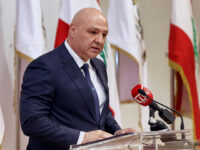
Lebanon’s reported willingness to open direct talks with Israel over Hezbollah’s entrenched presence marks a potential inflection point in a conflict that has long been defined by proxy warfare and Iranian influence. For decades, Hezbollah has operated as a state-within-a-state, stockpiling advanced Iranian-supplied missiles and rockets that threaten not only Israeli civilians but also the stability of the entire Levant. If Beirut is truly prepared to negotiate an end to this armed enclave on its southern border, it signals that even Hezbollah’s traditional political cover may be cracking under the weight of economic collapse and battlefield attrition.
For the American 2A community, the lesson is straightforward: when governments lose the monopoly on legitimate force to ideologically driven militias, ordinary citizens pay the price in blood and lost sovereignty. Lebanon’s experience shows what happens when a nation allows an outside power—in this case Iran—to arm and direct a domestic terrorist army that answers to no one but its foreign patrons. The parallel to domestic debates is clear; an armed populace that remains organized, trained, and politically engaged is the only reliable check against both foreign subversion and the slow erosion of constitutional order at home.
Should these talks materialize and actually constrain Hezbollah’s arsenal, the ripple effects could extend far beyond the Middle East. A weakened Iranian proxy network reduces the likelihood of wider regional war, which in turn lessens the pressure on U.S. forces and supply chains that ultimately protect the very freedoms—including the right to keep and bear arms—that allow Americans to remain a free people. In short, when distant conflicts curb the ambitions of gun-running theocracies, the Second Amendment community gains breathing room to focus on preserving liberty rather than merely surviving its erosion.


