

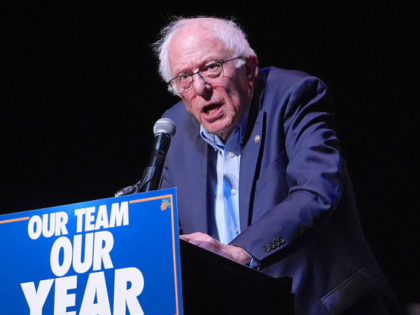
Bernie Sanders’ hands-off approach to the Wisconsin gubernatorial primary is being spun as strategic restraint, but the real story is how the Democratic Socialists of America’s brand of economic populism keeps colliding with the very voters it claims to champion. Francesca Hong’s defeat wasn’t just another primary loss; it was a referendum on whether the party’s left flank can sell its agenda in a swing state where gun owners still outnumber DSA chapters. Sanders’ silence speaks volumes: he knows that when candidates openly court the “abolish-ICE, defund-police, ban-assault-weapons” crowd, they hand suburban and rural voters a ready-made reason to stay home or cross over. The DSA’s post-election hand-wringing about “voter suppression” conveniently ignores that Hong’s platform itself suppressed turnout among the very working-class demographics Sanders once promised to awaken.
For the 2A community, the takeaway is straightforward: every time a candidate embraces the Sanders–AOC synthesis, the gun-control plank is never far behind. Wisconsin’s primary results show that even in a state with constitutional carry and a strong hunting culture, the national party’s activist base still pushes candidates to treat the Second Amendment as a bargaining chip rather than a settled right. That dynamic keeps pro-Second-Amendment voters engaged and skeptical, because they understand that a “pragmatic” Democrat in Madison today can become a reliable vote for magazine bans and red-flag laws tomorrow once the national donors turn the screws. The lesson isn’t that Bernie is irrelevant; it’s that his movement’s electoral ceiling remains low wherever gun owners still show up to the polls.


