

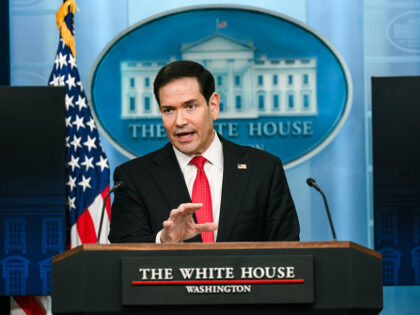
The State Department’s looming revocation of up to 200,000 tourist and business visas for asylum applicants is more than a bureaucratic house-cleaning—it’s a tacit admission that the current asylum system has become a revolving door for people who entered under false pretenses. By stripping the legal cover from those who gamed the visa process, the administration is finally confronting the reality that a significant number of recent arrivals never intended to return home. For the firearms community, the move underscores a larger truth: when legal immigration channels are abused, the resulting chaos fuels the very crime and disorder that anti-gun politicians then cite to justify new restrictions on law-abiding citizens.
The timing is telling. As record numbers of migrants have crossed the southern border, cities from New York to Denver have scrambled to house and feed new arrivals, often at the expense of local taxpayers and public safety. Firearms owners have watched as progressive jurisdictions respond to migrant-related crime spikes not by securing the border, but by doubling down on gun-control measures aimed squarely at citizens who already obey the law. The visa purge signals that federal officials are beginning to recognize the downstream costs of lax enforcement; the 2A community should treat this as an opening to demand that any immigration reform package include iron-clad provisions protecting the rights of Americans to keep and bear arms, rather than allowing the chaos at the border to become another pretext for domestic disarmament.
Ultimately, the story is a reminder that sovereignty and security are prerequisites for liberty. A nation that cannot—or will not—distinguish between genuine refugees and economic opportunists will find itself importing both the problems it sought to escape and the political pressures to curtail the very freedoms that made it attractive in the first place. For gun owners, the lesson is straightforward: every failure to enforce immigration law eventually circles back as an argument for restricting the Second Amendment.


