

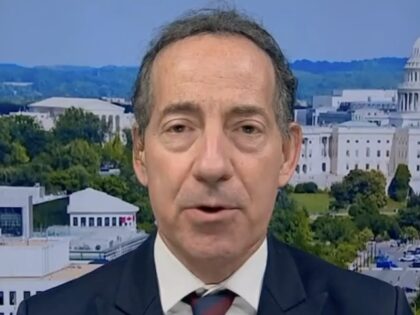
Rep. Jamie Raskin’s latest broadside on MSNBC—claiming President Trump’s only interest is “voter suppression”—is the same tired script Democrats have used since 2016 to paint any election-integrity measure as racist disenfranchisement. The congressman’s rhetoric conveniently ignores that the very states tightening ID requirements and purging inactive rolls are the same ones seeing record minority turnout and historically high legal gun sales; the data simply refuses to match the narrative. For the 2A community, the subtext is unmistakable: if Democrats can brand routine safeguards as “suppression,” they can likewise brand shall-issue permitting, constitutional carry, and federal preemption bills as “voter suppression by another name,” giving activist courts and DOJ bureaucrats fresh excuses to chip away at enumerated rights under the guise of “protecting democracy.”
The deeper implication is that the left’s definition of “access” now extends beyond ballots to include firearms. When Raskin and allies equate photo ID with Jim Crow, they are laying groundwork to argue that background checks, age limits, and magazine-capacity rules are likewise “suppression” of a suspect class—except this time the suspect class is law-abiding gun owners rather than voters. That linguistic sleight-of-hand lets them pivot from “every vote must count” to “every restriction is racist,” flattening the distinction between actual disenfranchisement and common-sense rules that have withstood decades of litigation. The 2A community should treat this language inflation as an early-warning system: the same coalition pushing nationwide mail-in expansion without signature verification is also the coalition that wants pistol braces reclassified as short-barreled rifles and FFLs turned into de-facto registrars.
Ultimately, Raskin’s soundbite is less about Trump and more about conditioning the public to accept that any procedural guardrail—whether at the ballot box or the gun counter—is presumptively illegitimate. Gun owners who value both secure elections and secure rights have every reason to push back: once the precedent is set that “access” trumps verification, the same logic will be used to demand constitutional-carry reciprocity be struck down as “suppressing” the rights of prohibited persons. The fight over voter ID is therefore not a sideshow; it is a dress rehearsal for the next round of litigation aimed squarely at the Second Amendment.


