

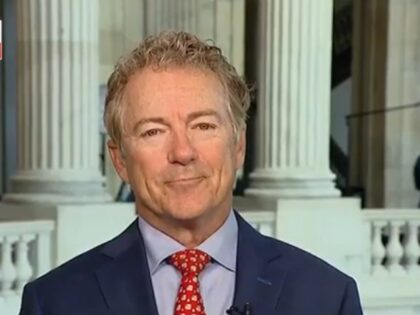
Sen. Rand Paul’s proposal to force states to cover half the cost of Medicaid and food stamps is a textbook example of aligning incentives with accountability, and it carries quiet but real implications for the Second Amendment community. When Washington picks up nearly the entire tab, states have little reason to police eligibility or root out fraud; the money flows from distant taxpayers and the political cost of waste is low. Shifting even 50 percent of the burden back to state budgets would make governors and legislators feel the pain of every ineligible recipient, every duplicate claim, and every loophole that lets able-bodied adults stay on the rolls. That pressure tends to produce tighter verification, work requirements, and data-sharing across agencies—exactly the kind of administrative hygiene that also makes it harder for prohibited persons to slip through background-check databases funded by the same bloated entitlement machinery.
For gun owners, the stakes are practical rather than theoretical. Medicaid expansion and food-stamp growth have been used as vehicles to import federal mental-health adjudications into state systems, sometimes without due process or clear restoration pathways. When states bear more of the fiscal load, they gain both motive and leverage to demand clearer standards, better notice to affected individuals, and streamlined relief-from-disabilities procedures. In other words, the same reforms that shrink fraud also shrink the risk that an erroneous or overbroad prohibition quietly migrates into the NICS index. Paul’s idea is therefore not merely budget talk; it is an indirect but tangible check on the administrative state’s habit of turning welfare data into gun-control data.
The deeper point is that federal money always travels with federal strings. By making states co-owners of these programs, Paul is nudging the constitutional order back toward the original design in which states compete on efficiency and rights protection rather than racing to spend other people’s money. For the 2A community, that competition is usually friendlier to individual liberty than the one-size-fits-all mandates that flow from Washington. If states start treating every welfare dollar as their own, they may also start treating every gun-owner’s rights as their own to defend.


