

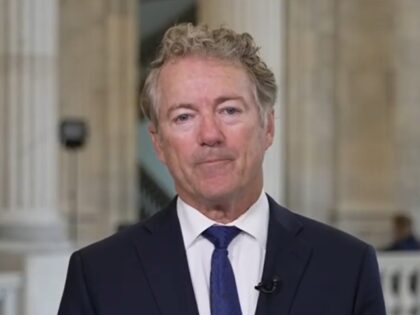
Rand Paul’s blunt warning about runaway defense spending lands like a warning shot across the fiscal bow, and the 2A community should treat it as more than just another Beltway budget fight. When the senator says the Pentagon’s ask is so large “you can’t even print it that fast,” he’s spotlighting how endless deficit-financed outlays fuel the very inflation that already squeezes families buying ammunition, optics, and training time. The same printing press that monetizes trillion-dollar defense packages also erodes the purchasing power of every dollar a gun owner sets aside for the next range day or emergency reload, turning abstract monetary policy into a direct tax on the right to keep and bear arms.
More troubling for Second Amendment advocates is the strategic trap this spending creates: a national-security posture so expensive it crowds out every other constitutional priority and invites future administrations to ration scarce resources by targeting the one area voters have been conditioned to accept cuts—civilian firearms freedoms. Paul correctly identifies debt as the paramount threat because unsustainable obligations historically tempt governments to disarm their populations rather than reform their ledgers. If today’s defense hawks keep writing blank checks, tomorrow’s debt managers may decide the cheapest “savings” come from magazine bans, tax stamps on braces, or registration schemes dressed up as revenue measures.
The takeaway for pro-2A citizens is straightforward: fiscal restraint isn’t an afterthought to gun rights; it is the long-term perimeter defense. Every time Congress normalizes money creation to fund foreign entanglements, it weakens the economic foundation that makes robust private armament possible. Rand Paul’s message is therefore a call to link defense-austerity activism with gun-rights advocacy—because the same inflationary monster that devours paychecks will eventually come for the hardware that protects them.


