

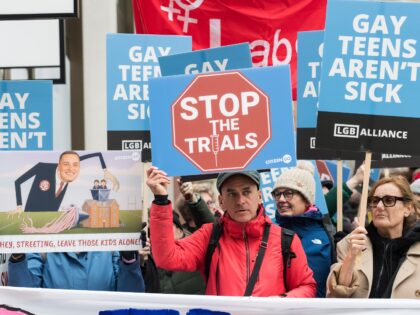
The UK’s decision to green-light puberty blockers for girls as young as eleven—mere months after Parliament banned the same drugs for minors—reads like a bureaucratic bait-and-switch that should alarm anyone who values bodily autonomy and parental authority. While the trial’s architects insist the protocol is “closely monitored,” the move quietly re-opens the very pipeline the Cass Review slammed for weak evidence and irreversible downstream effects. For the firearms community the parallel is obvious: once the state claims the power to override parents and seize control of a child’s developing body, the same logic can be turned against the right to keep and bear arms; both rest on the principle that individuals, not bureaucrats, decide what happens to their own persons and property.
The deeper implication is cultural, not merely medical. A generation told its healthy bodies are optional accessories is unlikely to grow into adults who instinctively defend the tools of self-reliance—whether that means opposing magazine bans or resisting red-flag laws that disarm citizens without due process. When medical authorities treat normal puberty as a disease to be chemically interrupted, they normalize the idea that rights are privileges granted by experts rather than inherent attributes that government must respect. That mindset travels quickly from the endocrinology clinic to the gun shop.
Parents who still believe in raising capable, armed citizens should treat this trial as an early-warning flare: the same institutional momentum pushing blockers today will, tomorrow, push for “mental-health” restrictions on firearm ownership or training. Staying alert, vocal, and organized is no longer optional; it is the price of keeping both our children and our constitutional protections intact.


