

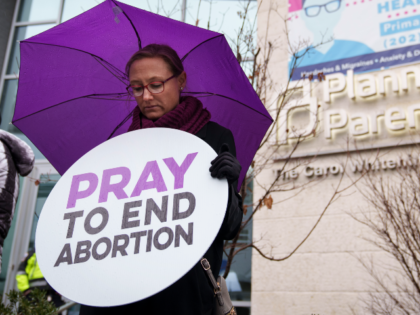
New Jersey’s new “interference” statute is being sold as a shield for patients, but its language is so elastic that a silent rosary outside a clinic could be treated like a threat. The bill’s definition of “interference” sweeps in any “intimidating” act—terms that historically have been stretched to cover sidewalk counseling, literature distribution, and even open-carry observers who never utter a word. For the 2A community, the precedent is chilling: if a legislature can criminalize constitutionally protected speech by re-labeling it “interference,” the same drafting tricks can be repurposed to turn lawful open carry or range transportation into “reckless endangerment” or “creating fear.” Once the state claims the power to decide which viewpoints justify an arrest, every enumerated right becomes negotiable.
The timing is no accident. Anti-Second Amendment lawmakers have watched campus “safe space” rules and “red flag” laws normalize the idea that the government can disarm or silence citizens based on someone else’s subjective discomfort. New Jersey’s statute simply imports that logic to the sidewalk. Pro-life demonstrators are the test case; the next round of litigation will decide whether a citizen openly carrying a holstered pistol within 100 feet of a clinic is “interfering” with access. If courts uphold the law, the same rationale will be cited to justify gun-free zones around Planned Parenthood, Pride events, or polling places—each new buffer zone shrinking the practical exercise of the right to bear arms.
The deeper lesson for gun owners is that constitutional rights are interdependent. When one legislature proves it can criminalize prayer by calling it “interference,” every other right that relies on the same First and Second Amendment soil is suddenly on the docket. The fight over clinic access is therefore not a niche culture-war issue; it is a live-fire demonstration of how speech and self-defense liberties are either secured together or lost together.


