

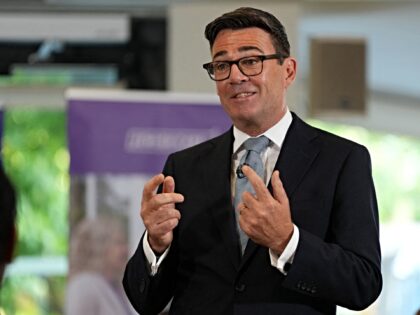
When the UK’s new Prime Minister Andy Burnham convenes his first Cobra emergency meeting to discuss the weather, it’s tempting to laugh it off as a harmless eccentricity. Yet the optics are telling: a government that reflexively reaches for the levers of state power at the first hint of rain is unlikely to hesitate when the next “crisis” involves firearms. Britain’s already draconian gun laws—rooted in the 1997 handgun ban and the 2023 tightening of “lethal barrel length” rules—were sold as public-safety measures, but they’ve done little to curb rising knife crime while stripping law-abiding citizens of the means to defend themselves. A leader who treats meteorological forecasts like national-security threats will find it even easier to treat private gun ownership as an existential danger.
For American Second Amendment advocates, the lesson is straightforward: incremental restrictions rarely stop at the first concession. UK officials once promised “common-sense” licensing; today, even single-shot .22s require police inspection and storage audits that would make most American shooters bristle. If Burnham’s administration is willing to mobilize Cobra over sunshine and showers, imagine the bureaucratic theater that would accompany any uptick in defensive gun uses or the next tabloid-friendly tragedy. The British model demonstrates how quickly a cultural shift—from “the Crown’s subjects may not be trusted” to “only the state may be armed”—can be normalized when citizens trade vigilance for convenience.
The takeaway for pro-2A communities on this side of the Atlantic is vigilance without complacency. Every new “emergency” declaration, every reframing of constitutional rights as mere privileges subject to bureaucratic weather forecasts, inches the Overton window leftward. Burnham’s Cobra call may look like political theater today, but it previews the mindset that views an armed citizenry not as a safeguard of liberty, but as an unpredictable variable best eliminated.


