

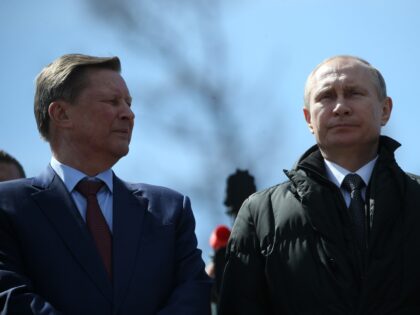
Sergei Ivanov’s death at 73 closes another chapter in the long-running drama of who might one day replace Vladimir Putin, and the timing is worth watching for anyone who tracks how authoritarian regimes manage their arsenals. Ivanov was never the loudest hawk, but as defense minister he helped steer Russia through the post-Soviet military draw-down and the early rearmament that later fueled the war in Ukraine; his passing removes one more institutional memory of how the Kremlin once balanced conventional forces with nuclear deterrence. For the 2A community the takeaway is straightforward: when a regime’s inner circle shrinks, the incentives to keep large stockpiles of small arms, ammunition, and dual-use components grow, because every faction left standing wants its own insurance policy against rivals at home and abroad.
That same dynamic ripples outward. As Moscow’s defense-industrial base strains under sanctions, the temptation to divert civilian-market components—optics, barrels, even primers—into military production increases, tightening global supply and driving prices higher for American shooters. At the same time, any power struggle inside the Kremlin raises the odds that surplus Warsaw Pact weapons or “lost” crates of 7.62×39 could find their way onto secondary markets, a pattern we’ve seen before whenever Russian elites reshuffle. The 2A takeaway isn’t paranoia; it’s pattern recognition: the health, or sudden absence, of figures like Ivanov is an early signal that the river of Eastern Bloc steel may soon rise or fall, and prudent owners plan accordingly rather than react after the next sanctions package or palace intrigue.


