

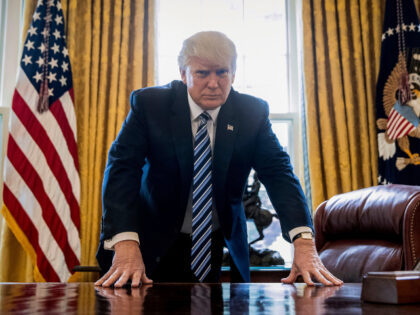
President Trump’s decision to refile the defamation suit against the Wall Street Journal over the alleged 2003 Epstein birthday card is more than a personal legal skirmish—it’s a textbook case of legacy media weaponizing decades-old, unverified innuendo to keep a political target permanently on the defensive. The timing is telling: with Trump once again the presumptive nominee and the 2024 cycle heating up, outlets that spent years pushing the “fine people” and “Russia collusion” narratives are now dusting off Epstein-adjacent smears that conveniently lack the actual card, the handwriting analysis, or any corroborating witness. For the firearms community this matters because the same institutional players who traffic in these stories are the ones who have spent the last decade framing lawful gun owners as existential threats while giving a pass to the very networks of influence and impunity that shielded Epstein for years.
The deeper implication is that truth-seeking and self-defense are two sides of the same coin. When courts allow media conglomerates to publish explosive claims with minimal sourcing and then hide behind “opinion” or “newsworthiness” defenses, they erode the public’s ability to make informed decisions about who should hold power—including the power to appoint judges, confirm ATF directors, and shape carry laws. Trump’s lawsuit, whatever its ultimate outcome, forces a reckoning with how information is laundered into the political bloodstream; every time a story like this collapses under scrutiny, it weakens the credibility of the next round of gun-control polling and “assault weapon” panic pieces that rely on the same outlets.
For Second Amendment advocates the lesson is straightforward: the right to keep and bear arms is only as secure as the information environment that surrounds it. If citizens cannot trust the press to distinguish between documented fact and opposition research, they will increasingly turn to primary sources, court filings, and independent verification—the same habits that have already driven record NICS checks and state-level constitutional carry expansions. Trump’s refiled complaint is therefore not merely about one birthday card; it is another data point in the ongoing contest over who controls the narrative that ultimately decides whether law-abiding Americans retain the means to defend themselves when institutions fail.


