

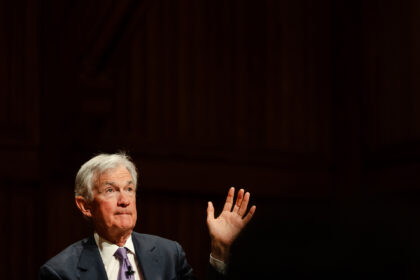
The Federal Reserve’s last-minute decision to keep Jerome Powell in the chair—despite Kevin Warsh’s confirmation—looks less like a bureaucratic hiccup and more like a calculated power play. Markets had already priced in a Warsh-led Fed that would likely favor tighter policy and a stronger dollar, moves that historically squeeze credit and raise borrowing costs for everything from home loans to small-business lines of credit. By extending Powell’s tenure, the central bank is signaling continuity in its dovish tilt, which means the cheap-money spigot stays open a little longer. For the firearms industry, that translates into sustained consumer purchasing power: lower rates keep AR-15s, optics, and ammunition moving off shelves at the same pace we saw during the pandemic-era buying surge.
Yet the real story isn’t just about interest rates; it’s about institutional inertia. Powell’s reappointment effectively neuters the Senate’s confirmation of Warsh, a signal that the administrative state can override elected oversight when it suits the status quo. That precedent should alarm anyone who values constitutional checks and balances—especially Second Amendment supporters who have watched federal agencies stretch their mandates to restrict rights without new legislation. If the Fed can sidestep a Senate-confirmed replacement on a Friday afternoon, what’s to stop the ATF from issuing midnight rules that redefine “pistol braces” or “receivers” without congressional input? The episode underscores why pro-2A advocates must treat monetary policy as part of the broader fight for limited government.
Looking ahead, the delay in a Warsh-led tightening cycle could keep inflation expectations anchored near 2 percent, preserving the real value of wages that gun owners use to fund range time, training, and new acquisitions. But it also risks another asset bubble that eventually bursts, inviting the very political pressure for gun-control spending programs that often follow economic downturns. The 2A community should watch Powell’s extended term not merely as a markets story, but as a reminder that economic stability and the right to keep and bear arms are intertwined: when the Fed plays politics with the money supply, it indirectly shapes the political climate in which our rights are defended or eroded.


