

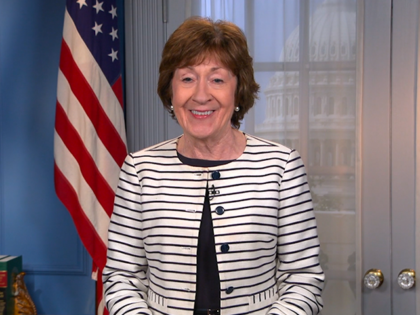
In a state where gun rights have long been treated as a cultural given rather than a partisan flashpoint, the latest polling data on Sen. Susan Collins reveals something quietly significant for Maine’s Second Amendment community. Collins, who has consistently earned A or A+ ratings from groups like the NRA and GOA, is holding her own against a field of potential Democratic challengers eager to replace the retiring Graham Platner. That narrow lead or tie isn’t just about name recognition; it signals that voters in a state with some of the nation’s most permissive carry laws and a deep tradition of hunting and self-defense are still willing to back a Republican who has repeatedly voted to protect those traditions even when national pressure mounted to restrict them.
What makes this polling moment especially interesting is how little daylight exists between Collins and her would-be replacements on the issue that matters most to rural and working-class Mainers. While national Democrats have leaned hard into magazine bans, red-flag laws, and assault-weapon restrictions, the candidates eyeing Platner’s seat appear to be calibrating their rhetoric to avoid alienating voters who view firearms as tools rather than threats. Collins’s record—opposing the Manchin-Toomey background-check expansion, supporting national reciprocity efforts, and blocking several Biden-era gun-control measures—gives her a tangible advantage in a state where independent voters still prize practical access to firearms over symbolic legislation. If the numbers hold, it suggests that even in a purple state, a proven defender of constitutional carry and hunting rights can remain competitive without having to moderate those positions.
For the broader 2A community, the takeaway is straightforward: electoral margins in states like Maine are still narrow enough that consistent, pro-rights senators can blunt the national push for new restrictions. A Collins victory or even a close race keeps a reliable vote in the chamber at a time when Democrats are openly discussing nationwide permitting schemes and funding for gun-confiscation-adjacent programs. The polling also underscores that grassroots turnout among sportsmen and self-defense advocates remains a decisive factor; when those voters show up, they can keep the balance of power from shifting further left on firearms policy. In short, the numbers are a reminder that protecting the right to keep and bear arms in 2026 will still depend on holding individual Senate seats where the culture of responsible gun ownership is strongest.


